Methane Purity Standards Explained: What “Vehicle Grade” Bio-CNG Actually Means
Methane Purity Standards…

Big plants get the economies of scale argument, lower cost per unit of output as size grows. But that math ignores feedstock logistics. Smaller, site local plants avoid the transport costs of hauling waste long distances to a central facility, which often closes the cost gap that mega-projects are supposed to win on.
Weather dependent renewables struggle here in countries like India due to strong season changes. Biogas based generation, by contrast, can run near 95% of the time, since it isn’t waiting on sunlight or wind. A network of smaller, local plants running near continuously often outperforms a single large facility that’s still subject to feedstock or grid interruptions.
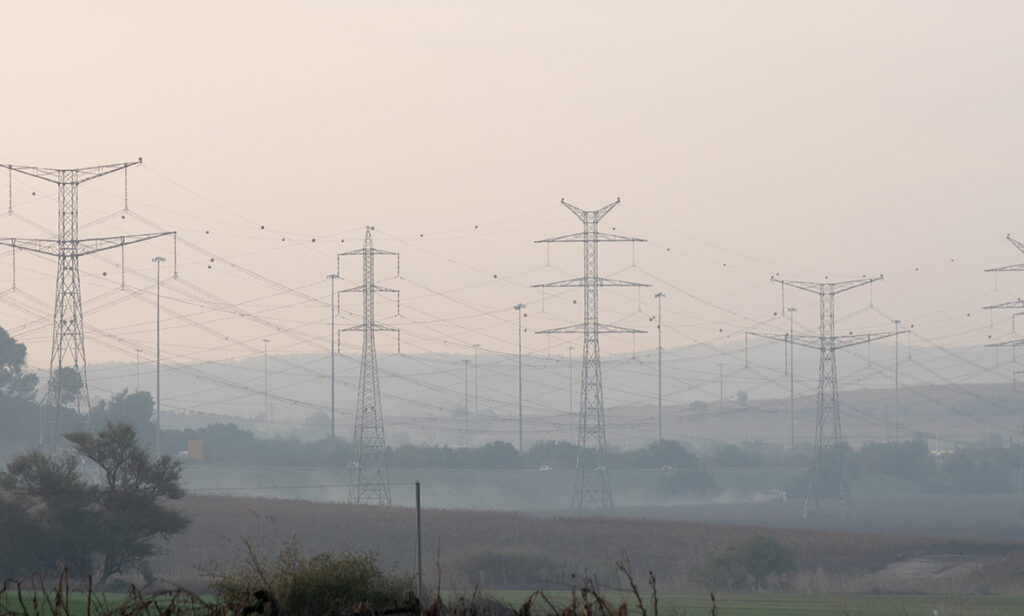
A local plant sited right next to its waste source and its demand skips the years long permitting and transmission build out that a centralized mega-project requires, and it avoids the line losses that come with moving power over long distances. This isn’t a hypothetical model either.
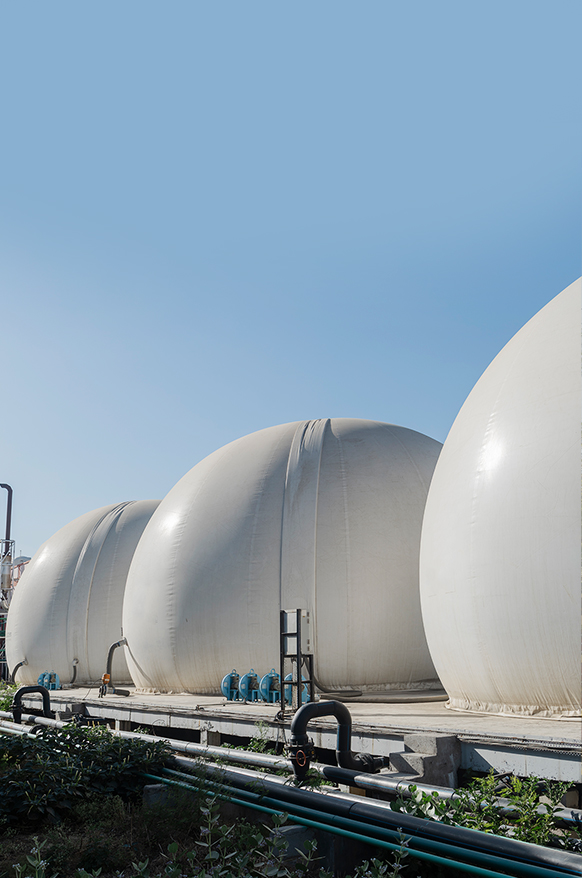
Thousands of smaller biogas sites are already operating across landfills, farms, and treatment plants in markets like the US, proving the distributed approach scales through replication rather than single flagship builds.
Building smaller, site-anchored plants at sewage facilities, agricultural clusters, and industrial sites, rather than one large centralized facility, trades a single point of failure for a resilient, repeatable network. It’s an infrastructure model shaped around how energy demand and waste are actually distributed across India, not around how a single mega-project brochure imagines it.
Methane Purity Standards…
Decentralized Energy Infrastructure:…

India's trusted partner in scalable bio-energy infrastructure.
© 2026 Brajdham. All Rights Reserved. Created and Managed By BIZSQUARED